kiosk machine
Introduction
Kiosk machines are an integral part of modern society, transforming how we interact with various services. These self-service terminals, often found in public spaces like malls, airports, and utility lobbies, offer a wide range of functionalities. From dispensing tickets to providing information, kiosk machines enhance user experience through convenience and efficiency.
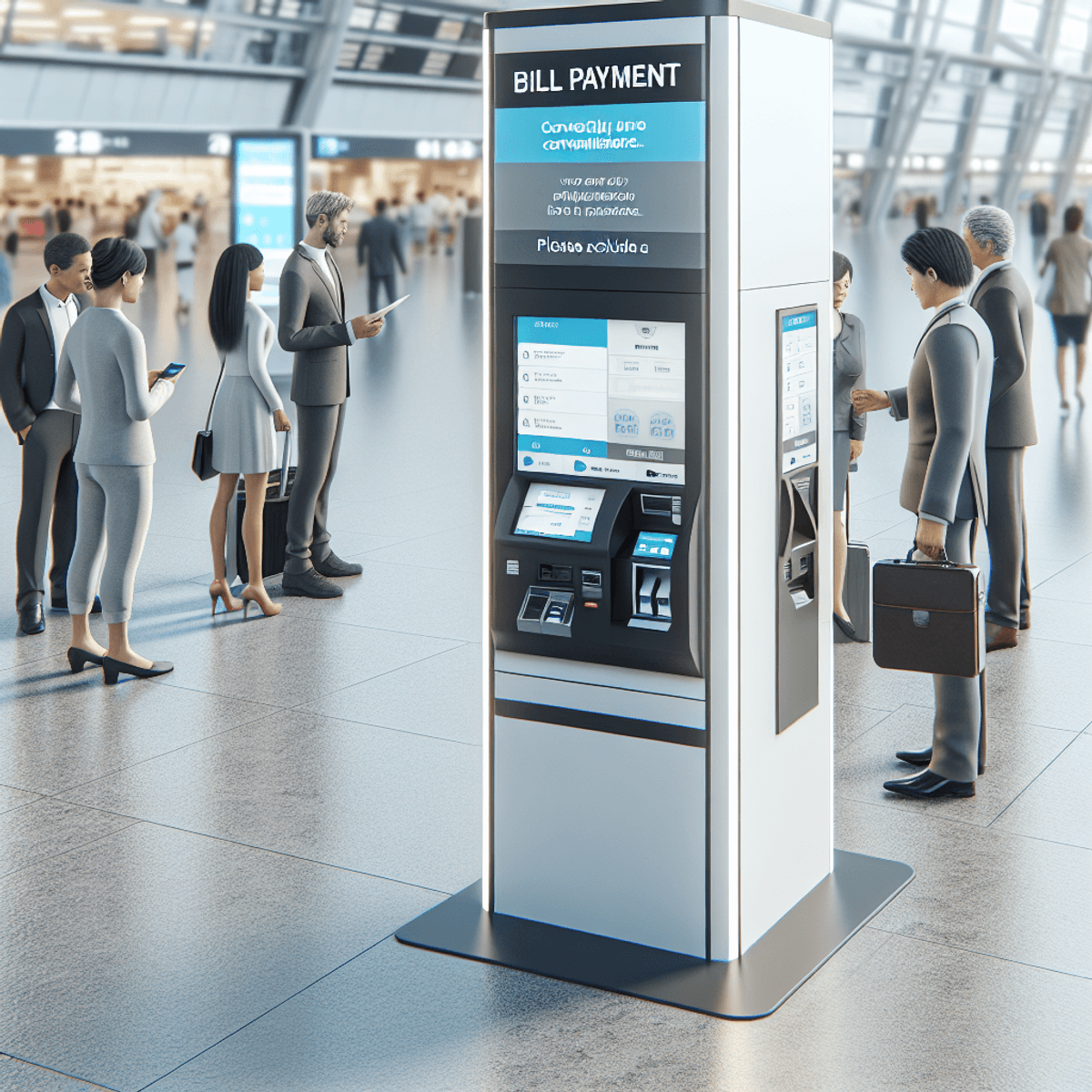
Bill payment kiosks stand out as a revolutionary application of this technology. These machines allow users to pay bills using different methods such as cash, cards, or checks. The convenience of 24/7 access helps reduce wait times and provides an efficient solution for those who prefer or need to use cash.
Key Takeaway: Bill payment kiosks are revolutionizing the way we pay bills by offering:
- Convenience: Access to bill payment services at any time.
- Accessibility: Options for users across different financial backgrounds.
- Security: Safe transactions with immediate confirmation.
By integrating these features, bill payment kiosks cater to a diverse user base, making them a vital component in today's fast-paced world.
Understanding Kiosk Machines and Their Evolution
What is a Kiosk Machine?
A kiosk machine, often referred to as a self-service machine, is an interactive terminal that provides users with various services and information. These machines are designed to facilitate transactions and offer convenience in locations such as retail stores, airports, and public spaces. The primary purpose of kiosks is to enhance customer experience by providing quick and easy access to information or services without the need for human assistance.
Types of Kiosks
There are several types of kiosk machines, each serving different functions:
- Information Kiosks: Provide users with essential information like maps, directories, or event details.
- Vending Kiosks: Dispense products such as snacks, beverages, or even electronics.
- Bill Payment Kiosks: Allow users to pay bills using cash, cards, or checks.
- Ticketing Kiosks: Issue tickets for events, transportation, or parking.
- Self-Check-In Kiosks: Common in airports and hotels for quick check-in procedures.
Evolution of Kiosk Machines
The journey of kiosk machines began with simple information kiosks in the late 20th century. Early versions were basic and relied on rudimentary touchscreens and limited software capabilities. As technology progressed, so did the functionality and versatility of kiosks.
Key milestones in the evolution of kiosks include:
- Introduction of Touchscreens: The early 1980s saw the first use of touchscreens in kiosk machines, paving the way for more interactive user experiences.
- Integration with Internet: The 1990s brought internet connectivity to kiosks, allowing real-time updates and remote management.
- Expansion into Retail: By the early 2000s, kiosks were widely adopted in retail environments for self-checkout processes.
- Advanced Payment Systems: Recent advancements include integration with various payment methods (cashless transactions), enhancing security and user convenience.
- AI Integration: Modern kiosks leverage artificial intelligence for personalized user interactions and efficient service delivery.
Technological advancements have significantly shaped the functionality of kiosk machines. Today’s kiosks are equipped with high-resolution touchscreens, robust payment processing systems, AI-driven interfaces, and enhanced security features. This evolution has transformed them from simple information providers to sophisticated self-service terminals catering to diverse needs across multiple industries.
Understanding these facets helps appreciate how kiosk machines have become integral to modern society by improving accessibility and efficiency in everyday transactions.
Features That Make Bill Payment Kiosks Stand Out
Bill payment kiosks offer a range of features designed to enhance user experience and streamline transactions. These features include:
- Multiple Payment Options
- Instant Payment Posting
- User-Friendly Interface
Multiple Payment Options
Bill payment kiosks accept various payment methods, including cash, credit/debit cards, and checks. This flexibility ensures accessibility for a wide range of users.
- Cash: Ideal for unbanked or underbanked individuals who rely on physical currency.
- Credit/Debit Cards: Provides a convenient option for users who prefer electronic payments.
- Checks: Adds another layer of flexibility, allowing users to pay using traditional methods.
These options make bill payment kiosks versatile and user-friendly, catering to diverse financial preferences.
Instant Payment Posting
Instant payment posting is a critical feature that enhances the efficiency of bill payment kiosks. When users make payments:
- Transactions are processed immediately.
- Users receive a receipt confirming the transaction.
This real-time processing offers peace of mind, ensuring that payments are credited without delay. It is especially beneficial for urgent payments, where immediate confirmation is crucial.
User-Friendly Interface
The design of the user interface plays a significant role in making bill payment kiosks accessible and easy to use. Key considerations include:
- Multilingual Support: Catering to diverse populations by offering multiple language options.
- Accessibility Features: Inclusion of elements like barcode scanners to facilitate quick account lookups and ensure ease of use for all users.
These design elements ensure that bill payment kiosks are intuitive, reducing the learning curve and making them accessible to everyone.
The Benefits of Embracing Bill Payment Kiosks
Convenience for Users
Bill payment kiosk machines provide unmatched convenience. With 24/7 access, users can pay their bills whenever they want, without having to stick to regular business hours. This round-the-clock availability drastically cuts down on wait times, as customers no longer have to stand in line at service counters. For example, kiosks located in utility lobbies or retail spaces allow users to handle their transactions while shopping, making their errands more efficient.
Catering to Unbanked Populations
Kiosks play a crucial role in promoting financial inclusion, especially for unbanked or underbanked populations. These individuals may not have access to traditional banking services but can still manage bill payments securely via kiosks. By accepting cash and checks, these machines offer a viable alternative for those who prefer or need to use physical currency. This accessibility helps bridge the financial gap, ensuring everyone has equal opportunities to manage their finances efficiently.
Streamlining Municipal Services
The integration of bill payment kiosks into local government systems shows their potential for improving municipal services. Companies like DivDat and CityBase have successfully implemented kiosk solutions that make utility payments and other essential services more efficient. These integrations lead to smoother processes, reducing administrative burdens on government entities and enhancing service delivery for residents.
For example:
- DivDat has set up kiosks that make it easier to pay for utilities like water and electricity.
- CityBase offers comprehensive solutions that work with multiple municipal departments, providing a unified system for managing various public services.
These implementations show how bill payment kiosks can boost operational efficiencies and improve customer satisfaction across different sectors.
The benefits of bill payment kiosks go beyond individual convenience; they also contribute significantly to societal inclusivity and operational efficiency in public service delivery.
Exploring Kiosk Technology and Software Solutions
Kiosk Software Solutions
Kiosk software solutions are crucial for making bill payment kiosks work smoothly and efficiently. These systems handle various tasks, including processing payments and managing the user interface. Some important features of these solutions are:
- Payment Processing Systems: These systems securely handle transactions and support different payment methods like cash, cards, and checks.
- User Interface Management: Ensuring a smooth user experience with easy-to-use interfaces that support multiple languages.
- Data Security: Following regulations such as PCI DSS to safeguard sensitive user information.
- Remote Monitoring and Management: Allowing operators to troubleshoot issues and update kiosks from a distance.
Popular providers of kiosk software include companies like KioWare, which offers strong security features and easy integration with different hardware components.
Advancements in Kiosk Technology
Technological innovations continue to shape the landscape of kiosk machines. Notable trends include:
- AI Integration: Artificial intelligence enhances customer interaction by providing personalized experiences. For example, AI-driven analytics can adjust the interface based on user behavior patterns.
- Touchless Payments: With the rise of contactless technology, kiosks now support NFC (Near Field Communication) payments, offering a hygienic and convenient option for users.
- Biometric Authentication: Adding layers of security with fingerprint or facial recognition ensures that transactions are both secure and swift.
Future Developments
Future advancements in kiosk technology are expected to make them even more useful. Some potential developments include:
- Better Connectivity: The introduction of 5G technology will enable faster data transfer, improving real-time transaction processing.
- Smarter AI: More advanced AI algorithms could provide even more personalized services, such as customized advertisements and improved customer service interactions.
- Eco-Friendly Features: Energy-efficient components and environmentally friendly materials may become standard, aligning with global sustainability goals.
These technological advancements ensure that bill payment kiosks remain relevant and adaptive to changing consumer needs.
Real-World Success Stories with Bill Payment Kiosks
DivDat Success Story
DivDat has made significant strides in the kiosk industry, particularly with its implementation in Detroit. By installing bill payment kiosks across various strategic locations, DivDat has revolutionized how residents can manage their utility bills and other municipal payments. These kiosks are accessible 24/7, offering a lifeline to those who prefer or need to use cash.
Key Highlights:
- Customer Feedback: Users have praised the convenience and ease of use, noting the ability to avoid long lines and make payments at any time of day.
- Impact: The initiative has led to increased on-time payments and improved customer satisfaction. It caters to unbanked populations, providing a secure and efficient alternative to traditional bank transactions.
- Self-Service Economy Contribution: This initiative is a prime example of the growing self-service economy, where consumers prefer managing their transactions independently for convenience.
CityBase Implementation
CityBase has also successfully integrated bill payment kiosks into local government systems across multiple cities. Their approach focuses on streamlining municipal services by offering residents an easy and accessible way to pay for utilities, parking tickets, and other fees.
Key Highlights:
- User Testimonials: Many residents have shared positive experiences, highlighting how these kiosks have simplified their lives. For instance, one user mentioned how the multilingual interface eased the process for non-English speakers.
- Efficiency Gains: Local governments have noticed a reduction in administrative overheads and an increase in payment collection efficiency. The kiosks' instant payment posting feature ensures that transactions are updated promptly, which is crucial for both users and service providers.
Additional Success Stories
- Retail Environments: Several major retail chains have adopted bill payment kiosks to offer additional services to their customers. This move not only drives foot traffic but also provides a valuable service, enhancing customer loyalty.
- Public Transportation Hubs: Implementing kiosks in bus stations and train terminals has allowed commuters to quickly pay fines or renew passes without needing to visit separate offices, significantly improving user experience.
These real-world success stories underscore the impact of bill payment kiosks on both users and service providers. They highlight the practicality of these machines in diverse environments, driving home their relevance in today's fast-paced world.
The Future of Kiosk Machines in Different Industries
The future of kiosk machines looks bright, with big potential for growth in many areas. Bill payment kiosks, in particular, are expected to stay important because they're easy to use and accessible.
Areas Where We Might See Growth:
- Retail: Working with loyalty programs and showing ads tailored to each customer.
- Healthcare: Letting patients check-in and pay bills at hospitals and clinics.
- Transportation: Selling tickets and giving real-time travel info at bus and train stations.
New Tech Developments:
- AI Integration: Better user experiences through chatbots and predictive analytics.
- Touchless Payments: Becoming more popular because of concerns about cleanliness.
- Blockchain: Safe and clear transaction records.
Bill payment kiosks will keep changing how we handle money matters, making sure they lead the way in self-service technology.
FAQs (Frequently Asked Questions)
What are bill payment kiosks and how do they function?
Bill payment kiosks are self-service terminals that allow users to pay their bills conveniently and securely. They accept various payment methods, including cash, cards, and checks, providing instant payment posting to confirm transactions immediately.
What features make bill payment kiosks user-friendly?
Key features of bill payment kiosks include multiple payment options for user flexibility, instant payment posting for immediate transaction confirmation, and a user-friendly interface designed with accessibility in mind, such as multilingual support and barcode scanners.
How do bill payment kiosks promote financial inclusion?
Bill payment kiosks cater to unbanked populations by providing them with access to essential financial services without the need for a bank account. This helps enhance convenience and encourages more individuals to engage with financial systems.
What advancements in kiosk technology are currently shaping the industry?
Recent advancements in kiosk technology include the integration of artificial intelligence for improved user interaction and touchless payment options that enhance security and convenience. These trends are expected to continue evolving, impacting how kiosks operate in various sectors.
Can you provide examples of successful implementations of bill payment kiosks?
Yes, companies like DivDat and CityBase have successfully integrated bill payment kiosks into local government systems, improving efficiency and customer satisfaction. Feedback from users highlights the convenience and effectiveness of these kiosks in managing payments.
What is the future outlook for kiosk machines across different industries?
The future outlook for kiosk machines is promising, with potential growth areas in various sectors such as retail, healthcare, and municipal services. As technology continues to advance, we can expect further innovations that enhance the functionality and accessibility of kiosks.
Comments
Post a Comment